Author: Ellie

The temperature mistake every first-time caviar buyer makesThe temperature mistake every first-time caviar buyer makes

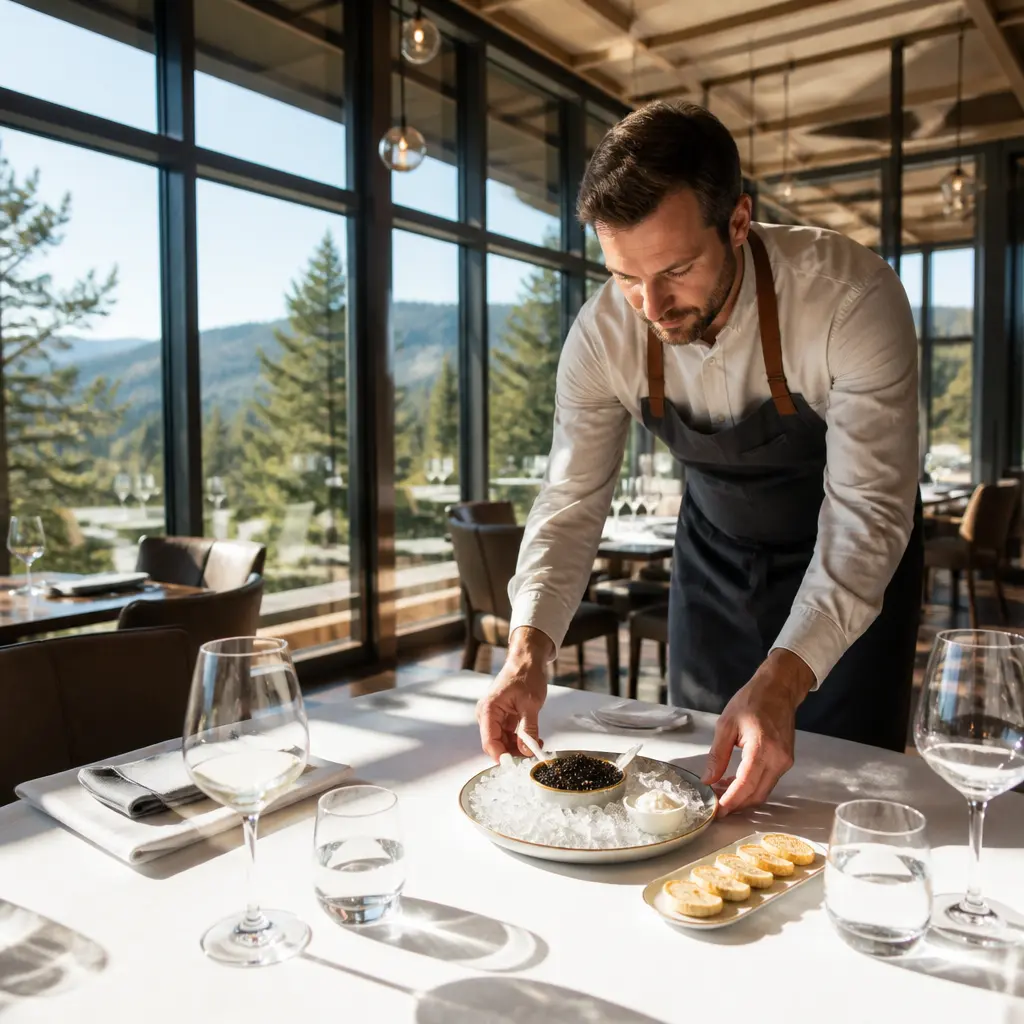
Caviar’s most important temperature mistake is serving it too warm—or letting it warm up too long before it reaches the table. Caviar is salted fish roe, and its delicate flavor and texture are best preserved by keeping the tin thoroughly chilled, then serving it briefly over ice. Specialty caviar sellers commonly recommend storage close to […]
Sourcing Direct from Producers Means Your Plate Tells a StorySourcing Direct from Producers Means Your Plate Tells a Story

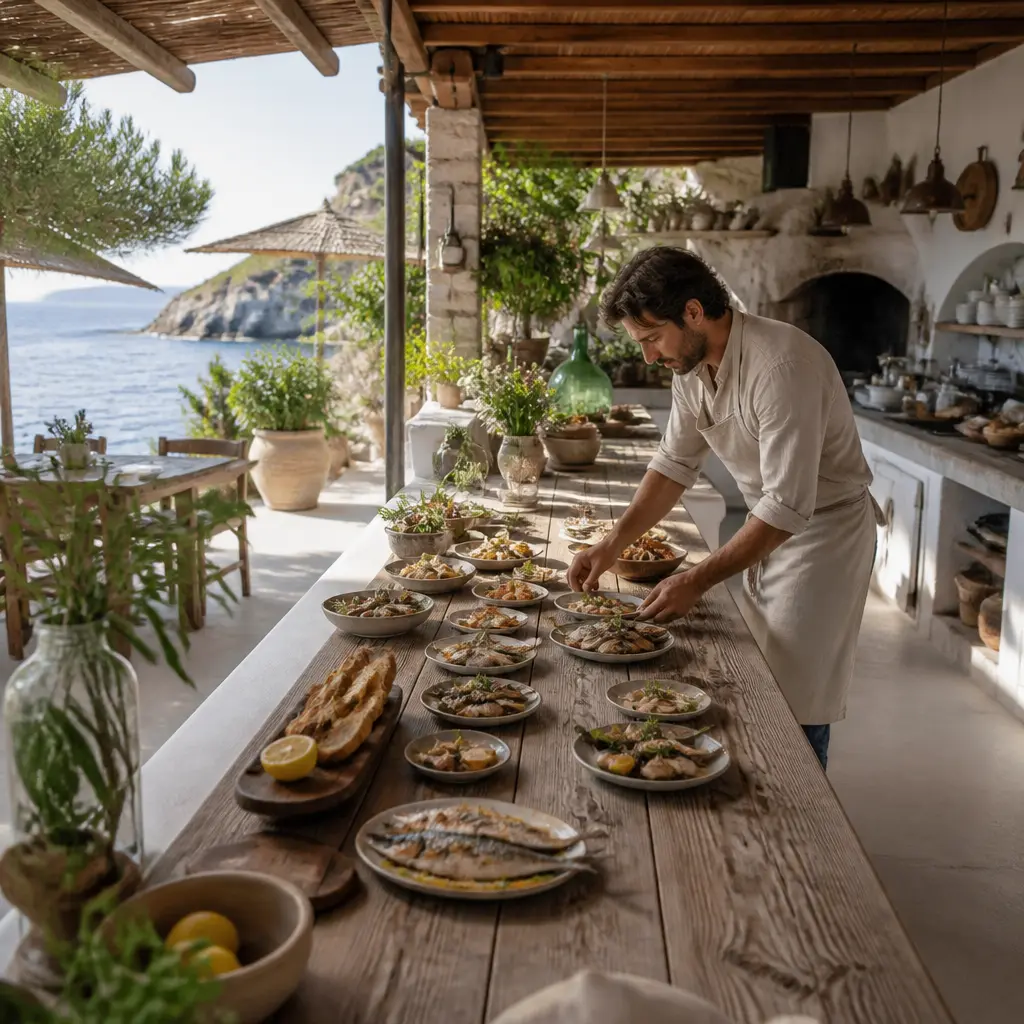
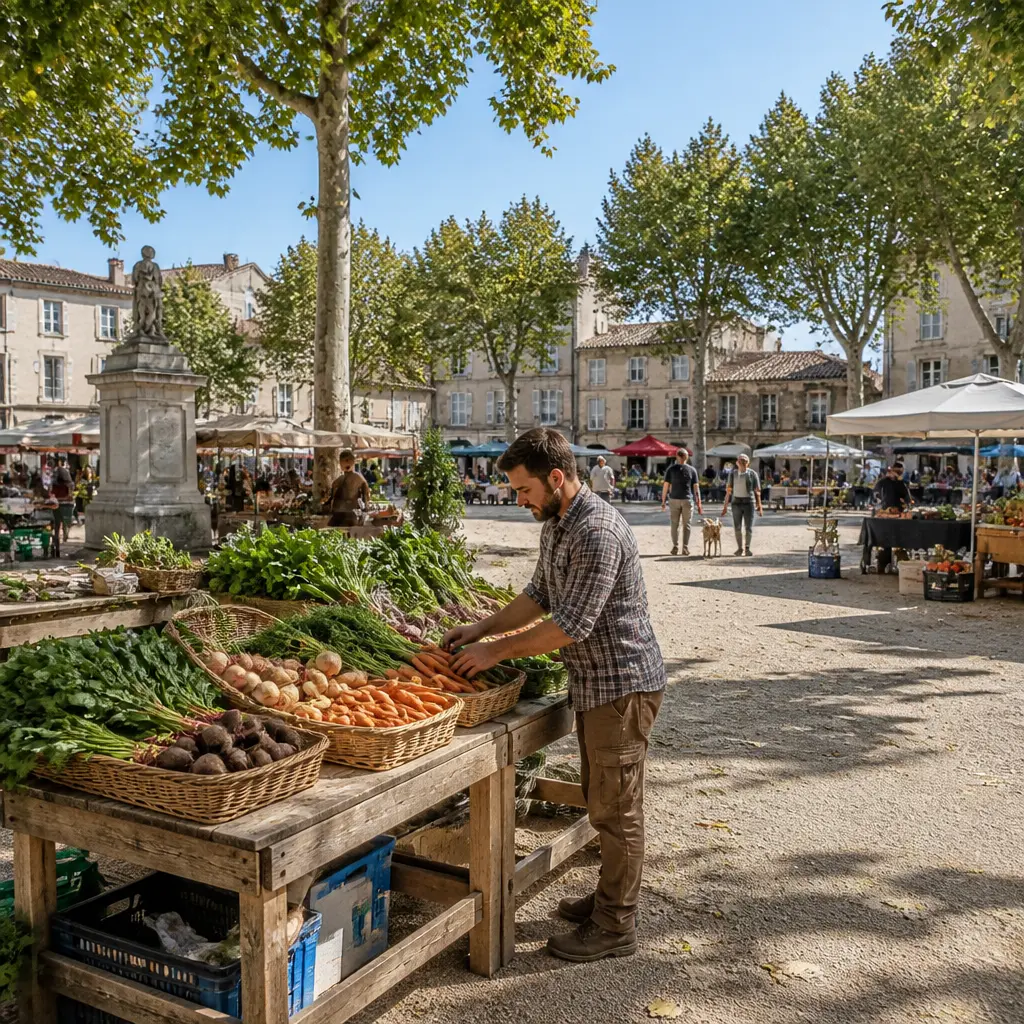
Direct producer sourcing—buying food from farmers, fishers, ranchers, and other producers through short supply chains—turns a meal into a record of place, labor, season, and stewardship. The attribute is traceable, relationship-based procurement: diners can often identify who produced an ingredient, where it came from, and how it was grown or harvested. The model includes farmers’ […]

Sea Urchin Tastes Completely Different When Temperature MattersSea Urchin Tastes Completely Different When Temperature Matters

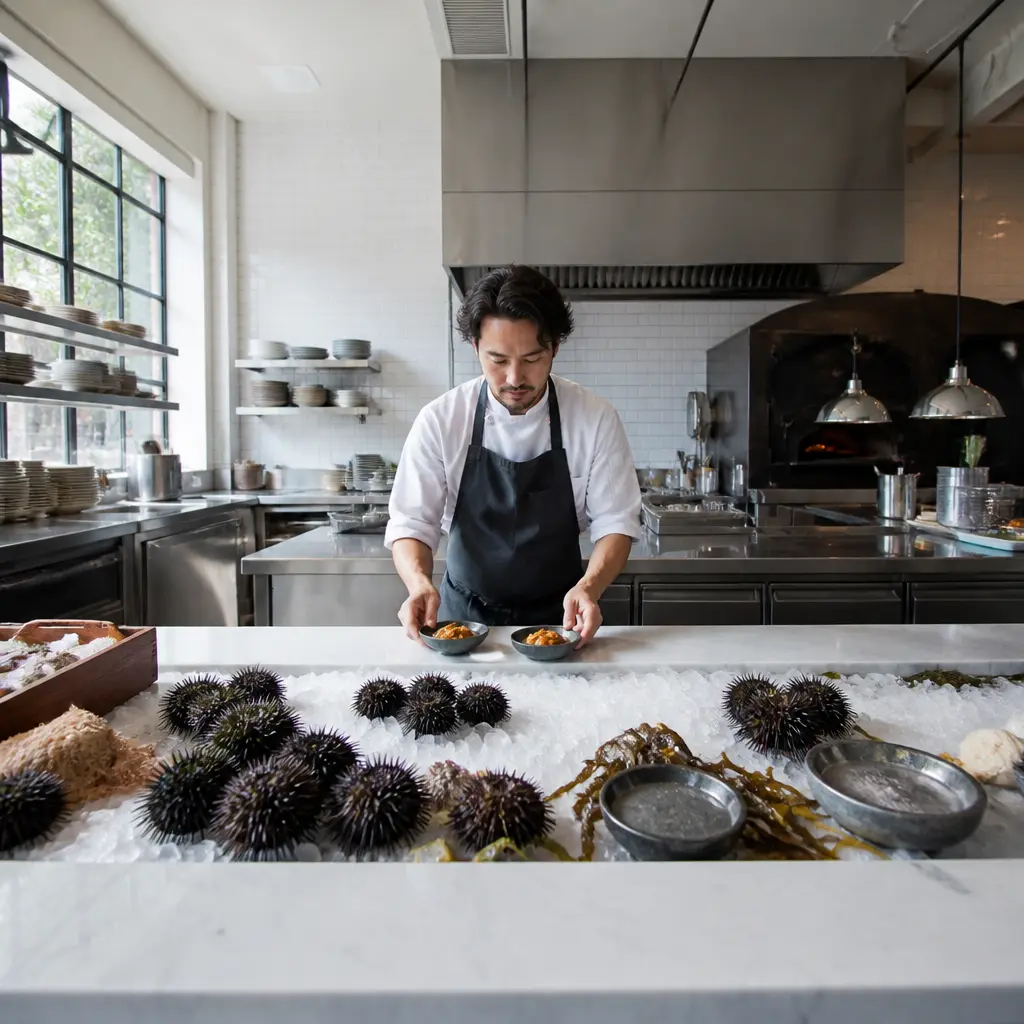
Sea urchin roe—temperature-dependent flavor is the reason the same uni can taste delicate and ocean-sweet when chilled, then become dramatically more aromatic, savory, or even ammoniacal as it warms. Sea urchin roe is the edible gonadal tissue of the animal, usually served as “uni,” and its flavor depends on volatile aromas, amino acids, nucleotides, lipids, […]

Pairing Caviar With Vodka? Here’s What Texture Really Teaches YouPairing Caviar With Vodka? Here’s What Texture Really Teaches You

Caviar and vodka are often served together, but the pairing works best when texture—not tradition alone—guides the choice. Caviar is salted fish roe, and its experience ranges from firm, distinct eggs to soft, delicate ones; vodka can provide a cool, relatively neutral contrast, but serving temperature, saltiness, and the way the roe feels on the […]

Stop Playing It Safe with Seafood Tapas and Try These Moves InsteadStop Playing It Safe with Seafood Tapas and Try These Moves Instead

Seafood tapas are small, shareable dishes built around fish, shellfish, sea vegetables, and bold sauces rather than oversized portions or predictable fried platters. The safest approach—grilled shrimp, fried calamari, and plain smoked salmon—can make a menu feel repetitive, while smarter moves such as escabeche, conservas, ceviche, mussels, and seafood-and-vegetable pairings deliver more contrast, texture, and […]

How Temperature and Timing Transform Raw Fish Into an ExperienceHow Temperature and Timing Transform Raw Fish Into an Experience

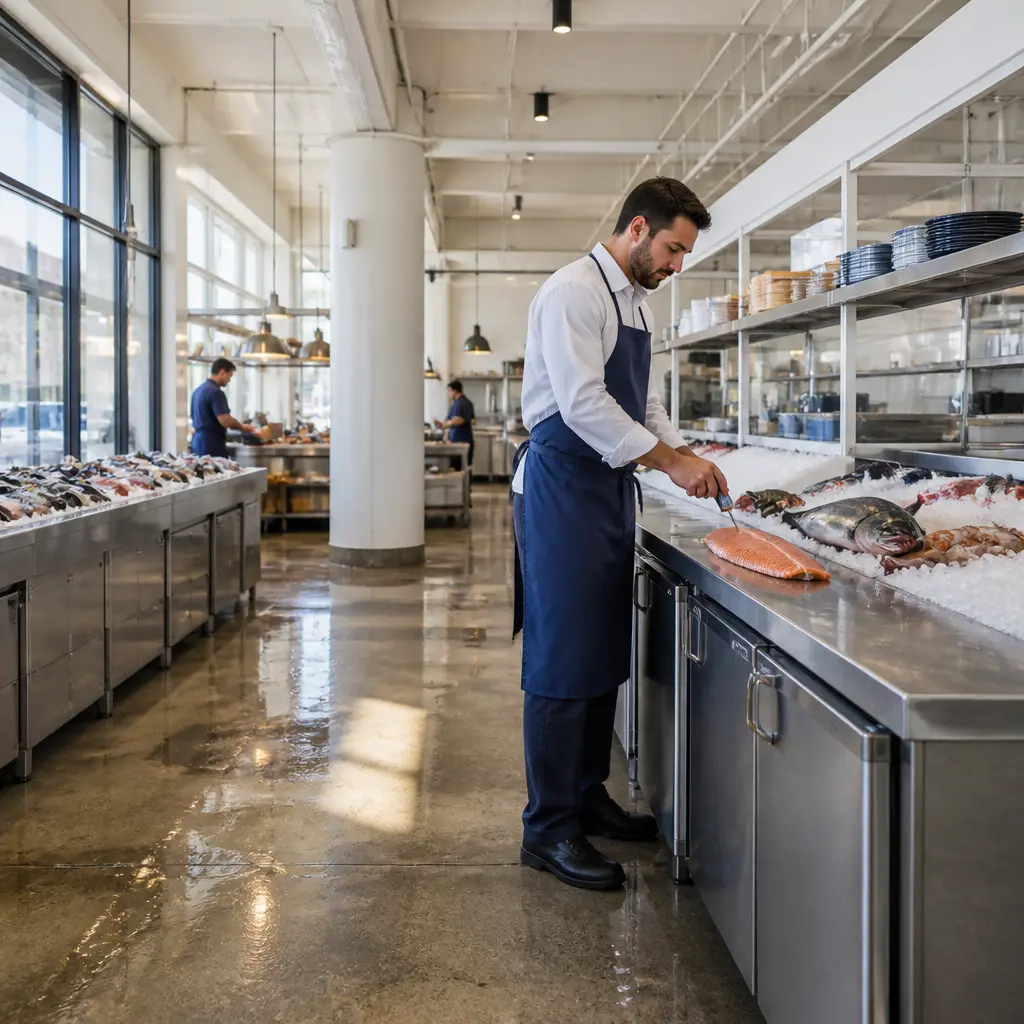
Raw fish quality—shaped by temperature and timing—determines whether seafood becomes a clean, delicate culinary experience or a vehicle for spoilage, parasites, and foodborne illness. Temperature slows microbial growth, freezing can control many parasites, and carefully timed curing, acidification, or cooking changes texture and flavor without making every hazard disappear. The U.S. Food and Drug Administration […]

Common mistakes people make when planning their romantic seafood dinnerCommon mistakes people make when planning their romantic seafood dinner

Planning a romantic seafood dinner means coordinating the menu, timing, food safety, and atmosphere so the meal feels special rather than stressful. Common mistakes include choosing unfamiliar recipes, buying seafood too early or from an unclear source, overlooking allergies and preferences, and leaving cooking until guests are waiting. The U.S. Food and Drug Administration (FDA) […]

Caviar Tastes Better When You Stop Overthinking the PresentationCaviar Tastes Better When You Stop Overthinking the Presentation

Caviar presentation is the way roe is served, portioned, chilled, and accompanied, and it often tastes better when those choices stay simple. Caviar is traditionally salted sturgeon roe, with texture, salinity, aroma, and finish doing most of the sensory work. Research summarized by food-perception scholar Charles Spence shows that visual and contextual cues can change […]

Why Oysters and Champagne Feel Like Pure Luxury TogetherWhy Oysters and Champagne Feel Like Pure Luxury Together

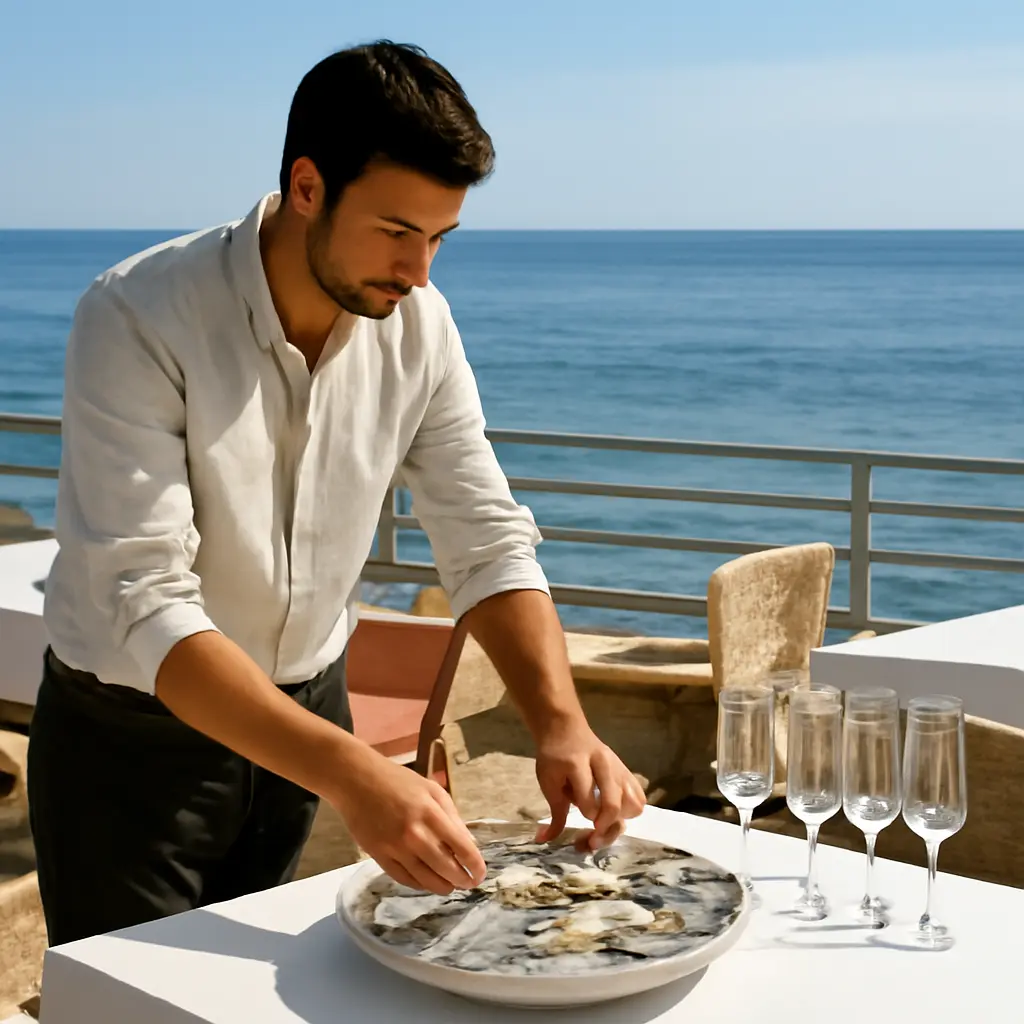
Oysters and Champagne: Why Their Sensory Complementarity Feels Like Pure Luxury Oysters and Champagne are a classic luxury pairing because they unite two products associated with place, craft, rarity, and ceremony while creating a strong sensory contrast: briny, mineral-rich oysters meet sparkling wine’s acidity, bubbles, and citrus-like freshness. The combination is more than a status […]

Five reasons raw bars became the unexpected centerpiece of fine diningFive reasons raw bars became the unexpected centerpiece of fine dining

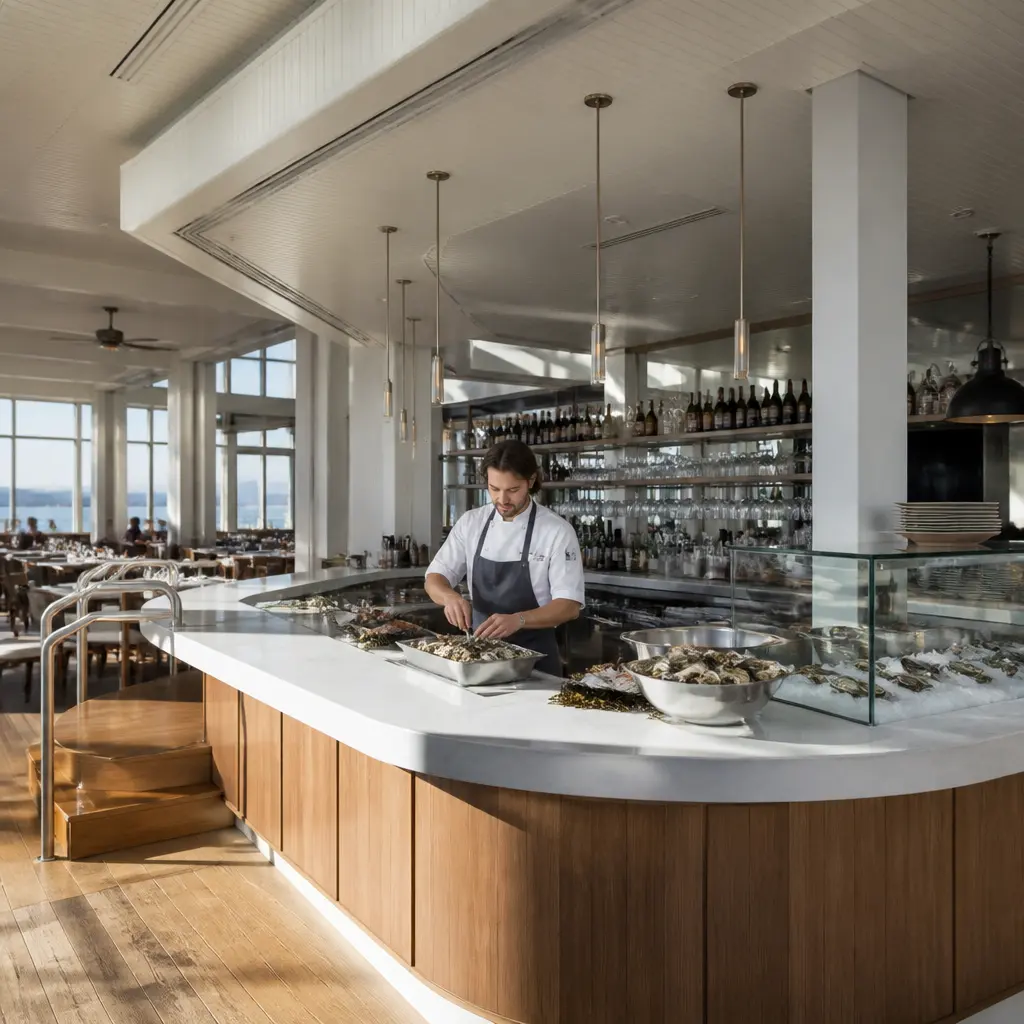
A raw bar is a service counter or menu section devoted to uncooked or minimally handled seafood—especially oysters, clams, crudo, tartare, ceviche, and sashimi. It became an unexpected centerpiece of fine dining because it combines theater, luxury, locality, culinary precision, and relatively low-impact preparation: chefs can display live or freshly shucked products while signaling provenance […]