Category: Food

Sushi rice matters more than you realize in every single biteSushi rice matters more than you realize in every single bite

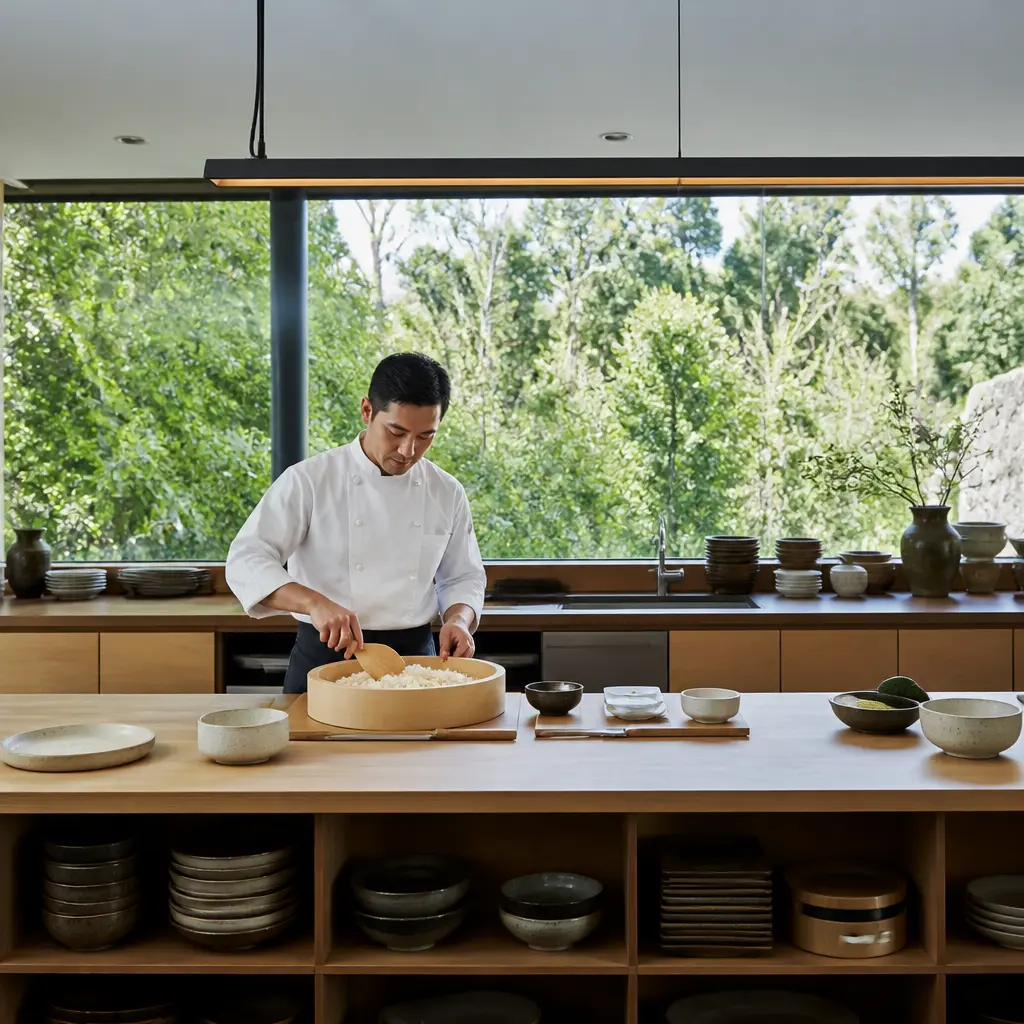
Sushi rice texture is the hidden structure behind every bite of nigiri, maki, temaki, and chirashi. Sushi rice is short- or medium-grain rice cooked, seasoned, and cooled for use with sushi ingredients; its texture determines whether a piece holds together, separates cleanly, supports the fish, and delivers the intended balance of sweetness, acidity, and umami. […]

Six Common Sushi Fish Mistakes Home Cooks Make ConstantlySix Common Sushi Fish Mistakes Home Cooks Make Constantly

Sushi Fish Safety: Six Common Mistakes Home Cooks Make Constantly Sushi fish safety is the set of handling, sourcing, freezing, storage, and preparation practices that make raw or lightly cooked seafood safer to eat. The most common home-cooking errors are treating “sushi-grade” as a legal guarantee, skipping parasite-control freezing, using the wrong fish, mishandling temperature, […]

What Separates Amateur Caviar Tastings From Restaurant-Quality ExperiencesWhat Separates Amateur Caviar Tastings From Restaurant-Quality Experiences

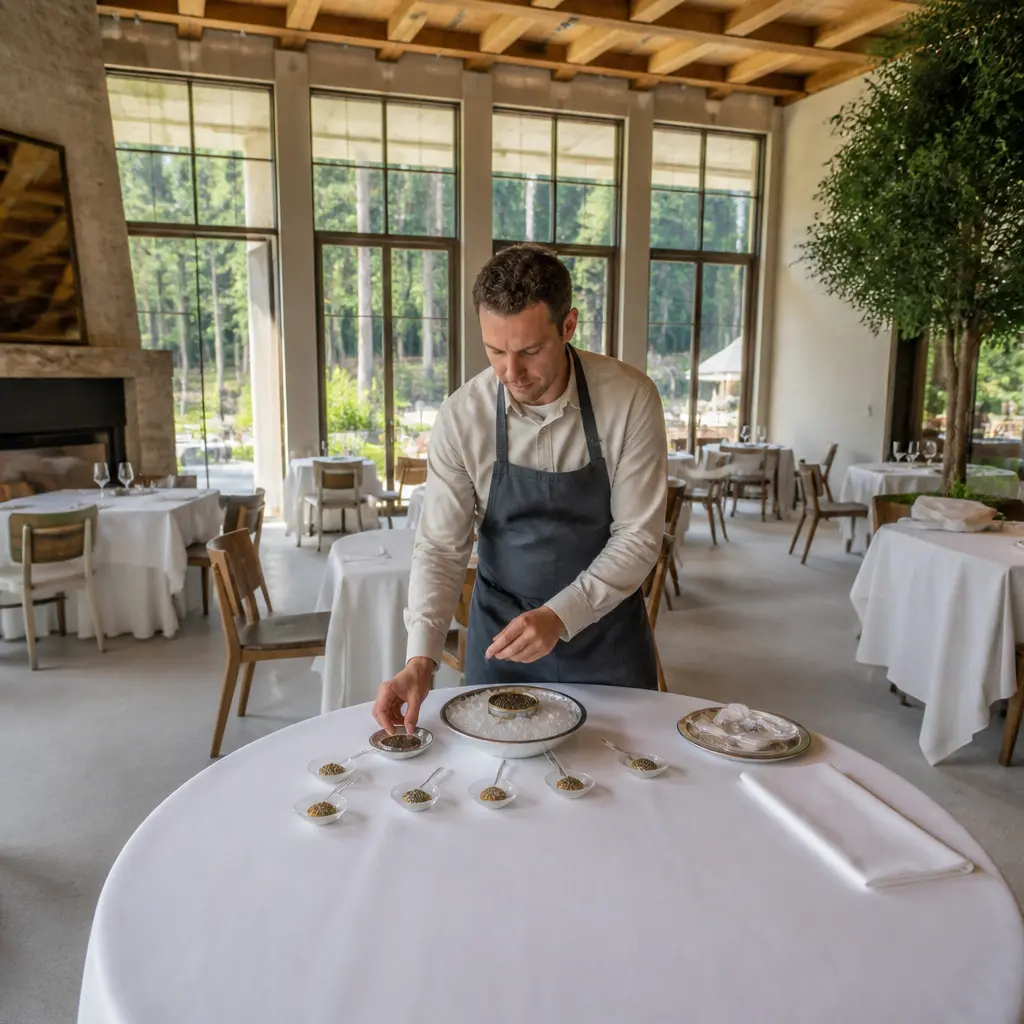
Caviar tasting quality is the combined product, sensory, temperature, service, and hospitality standard that determines whether a tasting feels merely adequate or restaurant-grade. The difference is rarely the price of the roe alone: professional experiences control provenance, freshness, storage, serving temperature, utensil material, portioning, palate preparation, pairing, and guest guidance. The Food and Agriculture Organization […]

Potato preparation secrets from fine dining chefs who plate caviar dailyPotato preparation secrets from fine dining chefs who plate caviar daily

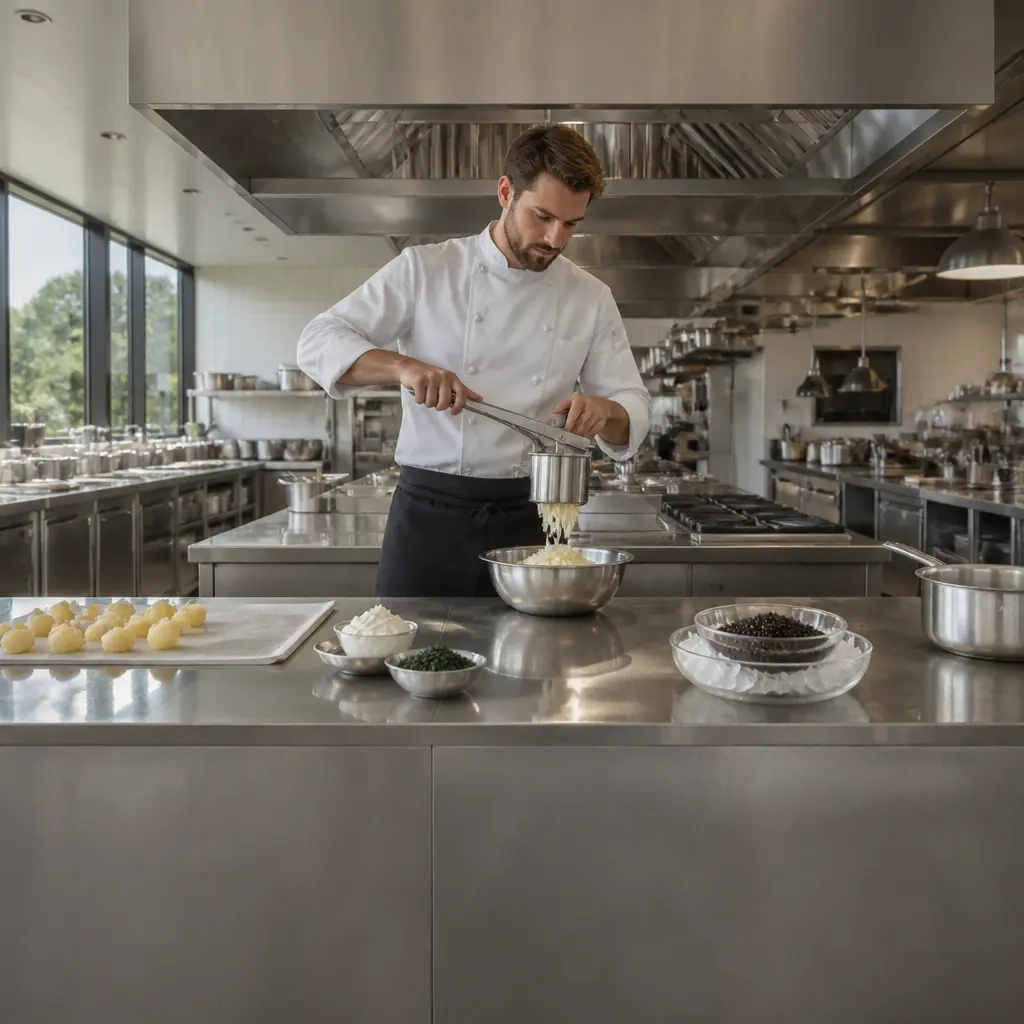
Potato Preparation: Fine-Dining Secrets from Caviar-Service Kitchens Potato preparation is the controlled selection, cutting, cooking, seasoning, and finishing of potatoes to achieve a specific texture and flavor. In fine-dining kitchens that serve caviar regularly, the most reliable approach is restraint: choose a low-moisture potato, cook it gently and evenly, season it in layers, and keep […]

The Mineral Mystery Between Your Oyster and GlassThe Mineral Mystery Between Your Oyster and Glass

Oyster Shell–Calcium Carbonate: The Mineral Mystery Between Your Oyster and Glass Oyster shell–calcium carbonate is the mineral pairing that links a meal of oysters with the manufacture of glass: the shell is composed mainly of calcium carbonate, while ordinary soda-lime glass combines silica with soda and lime. The shell does not become glass by itself, […]

Avoid These Timing Mistakes When Planning Seafood for Large GroupsAvoid These Timing Mistakes When Planning Seafood for Large Groups

Seafood planning timing is the coordination of purchasing, thawing, cooking, holding, and serving seafood so that quality and food safety are maintained for a large group. The safest approach is to work backward from the serving time, keep perishable seafood at 40°F or below, cook most seafood to 145°F, and avoid leaving it at room […]

Sourcing Direct from Producers Means Your Plate Tells a StorySourcing Direct from Producers Means Your Plate Tells a Story

Direct producer sourcing—buying food from farmers, fishers, ranchers, and other producers through short supply chains—turns a meal into a record of place, labor, season, and stewardship. The attribute is traceable, relationship-based procurement: diners can often identify who produced an ingredient, where it came from, and how it was grown or harvested. The model includes farmers’ […]

The temperature mistake every first-time caviar buyer makesThe temperature mistake every first-time caviar buyer makes

Caviar’s most important temperature mistake is serving it too warm—or letting it warm up too long before it reaches the table. Caviar is salted fish roe, and its delicate flavor and texture are best preserved by keeping the tin thoroughly chilled, then serving it briefly over ice. Specialty caviar sellers commonly recommend storage close to […]

Sea Urchin Tastes Completely Different When Temperature MattersSea Urchin Tastes Completely Different When Temperature Matters

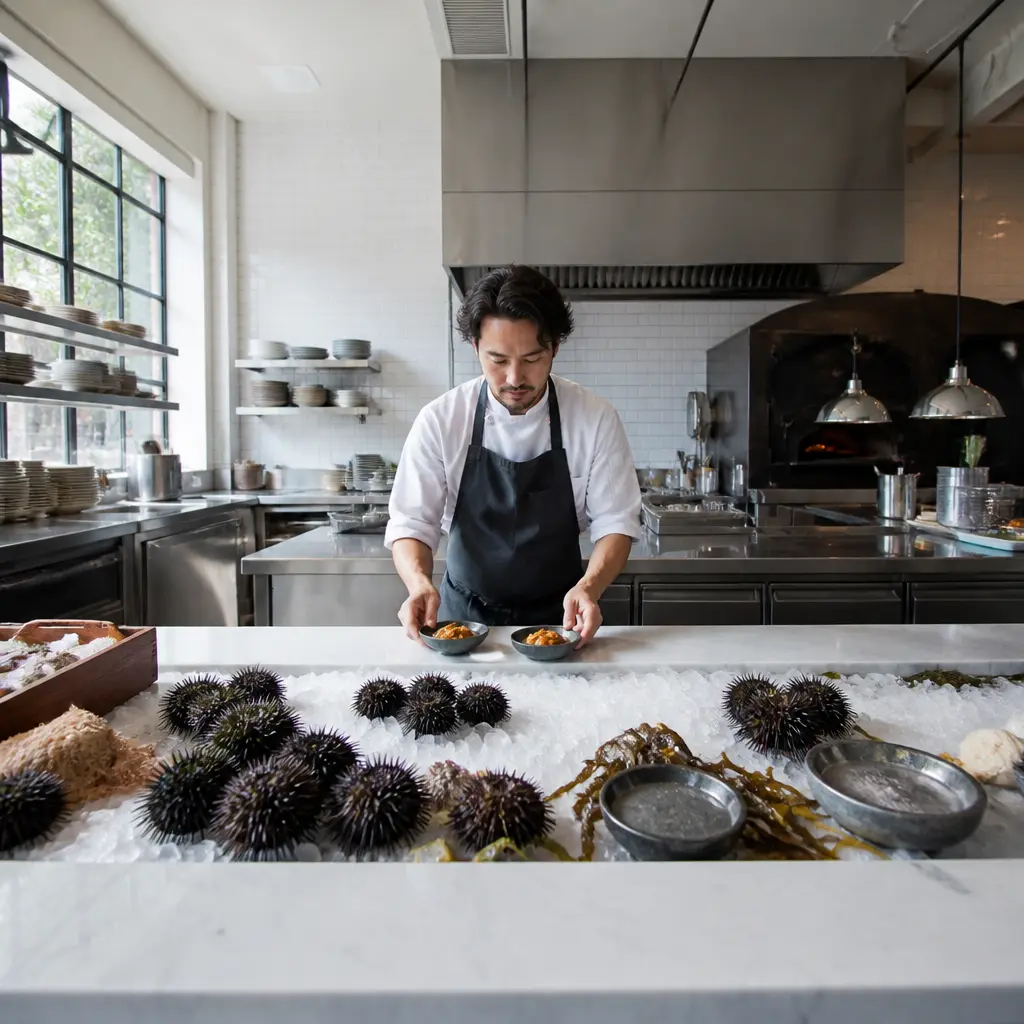
Sea urchin roe—temperature-dependent flavor is the reason the same uni can taste delicate and ocean-sweet when chilled, then become dramatically more aromatic, savory, or even ammoniacal as it warms. Sea urchin roe is the edible gonadal tissue of the animal, usually served as “uni,” and its flavor depends on volatile aromas, amino acids, nucleotides, lipids, […]

Pairing Caviar With Vodka? Here’s What Texture Really Teaches YouPairing Caviar With Vodka? Here’s What Texture Really Teaches You

Caviar and vodka are often served together, but the pairing works best when texture—not tradition alone—guides the choice. Caviar is salted fish roe, and its experience ranges from firm, distinct eggs to soft, delicate ones; vodka can provide a cool, relatively neutral contrast, but serving temperature, saltiness, and the way the roe feels on the […]