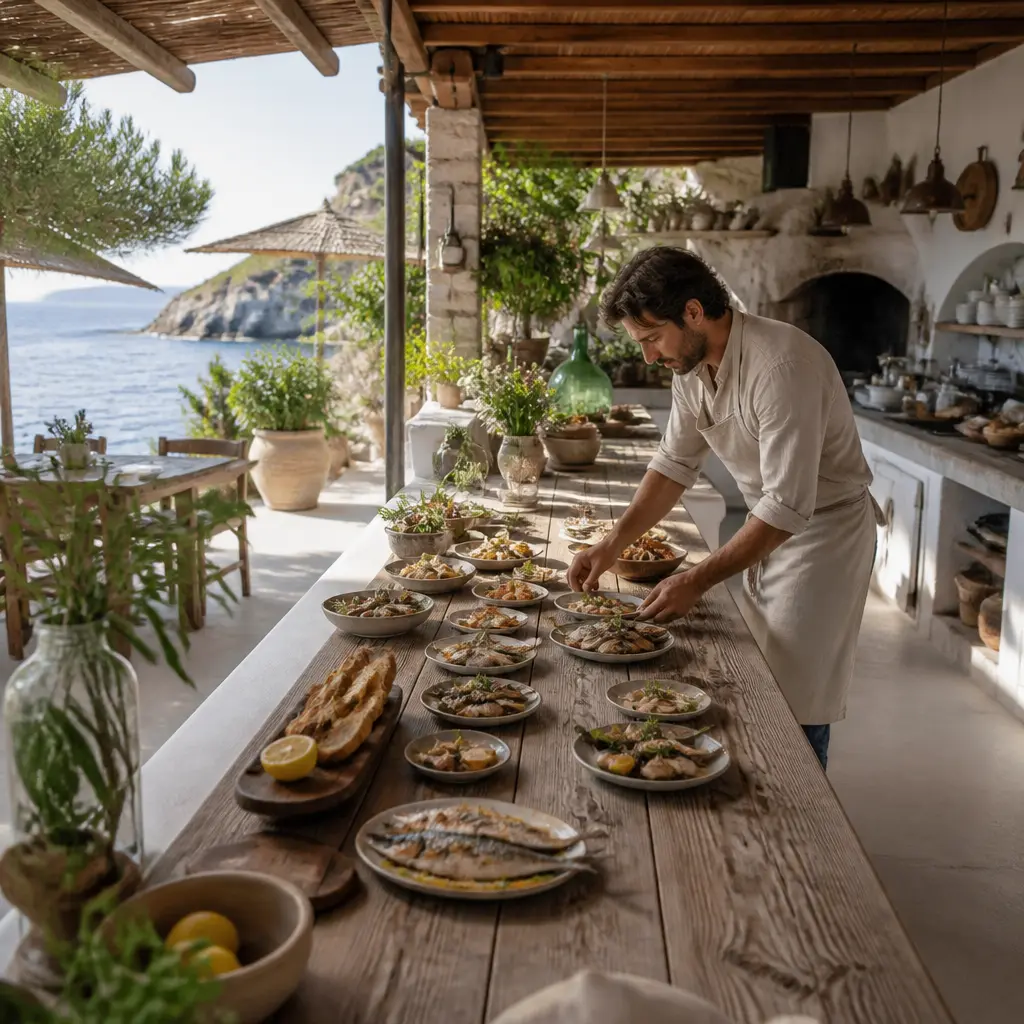
Seafood tapas are small, shareable dishes built around fish, shellfish, sea vegetables, and bold sauces rather than oversized portions or predictable fried platters. The safest approach—grilled shrimp, fried calamari, and plain smoked salmon—can make a menu feel repetitive, while smarter moves such as escabeche, conservas, ceviche, mussels, and seafood-and-vegetable pairings deliver more contrast, texture, and regional character. The Food and Agriculture Organization reported that people consumed an average of 20.7 kilograms of aquatic foods per person in 2022, making variety and responsible sourcing increasingly relevant to restaurants and home cooks alike.
Seafood Tapas Create More Flavor Through Small Portions
Seafood tapas are defined as individually portioned or shareable preparations in which seafood is the central ingredient and a small serving format encourages variety. The word “tapas” traditionally refers to Spanish small plates, but contemporary menus use the format for dishes influenced by Mediterranean, Latin American, Asian, and coastal cuisines. The attribute pairing matters because the compact format gives cooks permission to serve several preparations of the same ingredient without making the meal feel heavy.
The main characteristics are contrast, speed, portability, and modularity. One plate might emphasize acidity, another smoke, another crunch, and another a rich sauce. This structure also helps manage food cost and portion size. The U.S. Food and Drug Administration recommends that adults generally eat two to three servings of lower-mercury seafood per week, or about 8 to 12 ounces total, so a table of varied small plates can make balanced seafood consumption easier than one enormous entrée.
Cured and Marinated Seafood Tapas
Cured and marinated seafood tapas use salt, acid, oil, or controlled time to season the ingredient deeply. Examples include boquerones, or vinegar-marinated anchovies; salmon gravlax; tuna crudo; and escabeche made with cooked fish preserved in an acidic marinade. These are hyponyms of seafood tapas because they retain the small-plate format while narrowing the preparation method.
Acid adds brightness, but it does not make raw seafood safe. Cooks should use reputable suppliers, maintain strict refrigeration, and follow local food-safety rules. The FDA Food Code identifies time and temperature control as central safeguards for potentially hazardous foods. For home service, cured or raw dishes should be prepared shortly before eating and kept cold rather than left on a warm buffet.
Conservas and Tinned Seafood Tapas
Conservas are preserved seafood products—such as sardines, mussels, cockles, tuna, and anchovies—packed in oil, brine, or sauce. They are one of the most practical seafood-tapas categories because the product is shelf-stable, portionable, and ready to serve. A high-quality tin can become a composed dish when paired with toasted bread, pickled peppers, citrus, herbs, or a sharp mustard.
This category also broadens the menu beyond familiar salmon and shrimp. The National Oceanic and Atmospheric Administration has repeatedly identified popular U.S. seafood choices as concentrated around a small group of species, including shrimp, salmon, canned tuna, tilapia, and Alaska pollock. Conservas help restaurants and cooks introduce sardines, mackerel, herring, and shellfish without requiring elaborate equipment.
Bold Seafood Tapas Use Acid, Smoke, and Texture
The most effective alternative to safe, predictable seafood is not simply adding more heat. It is building a deliberate contrast between the seafood’s natural flavor and its supporting elements. A useful formula is one tender component, one acidic or pickled component, one crisp component, and one aromatic finish. This approach is adaptable to grilled, steamed, roasted, canned, or chilled seafood.
Escabeche Adds Acid and Aromatic Depth
Escabeche is a preparation in which cooked seafood is dressed or gently preserved with vinegar, oil, onions, garlic, herbs, and spices. It works especially well with sardines, mackerel, trout, mussels, and firm white fish. Unlike a plain grilled fillet, escabeche can be served chilled or at room temperature, making it useful for entertaining and advance preparation.
Try fried or roasted sardines with sherry vinegar, thinly sliced onion, bay leaf, and smoked paprika. For a milder plate, use poached mussels with citrus vinegar and parsley. The result demonstrates how a low-cost or underused species can become a distinctive small plate through technique rather than expensive ingredients.
Ceviche Brings Freshness Without Deep-Frying
Ceviche consists of seafood combined with an acidic dressing, commonly lime juice, along with ingredients such as onion, chile, cilantro, or fruit. The acid changes the texture and appearance of the seafood, but it should not be treated as a substitute for cooking. Use seafood intended for raw or minimally processed service, keep it refrigerated, and follow applicable public-health guidance.
The small-plate format makes ceviche easier to balance. Serve a modest portion with baked plantain, cucumber, avocado, or toasted corn instead of a large bowl dominated by citrus. The contrast between cool seafood, crunchy garnish, and chile heat creates the kind of sensory variation that makes a tapas menu feel generous without relying on batter or heavy sauces.
Grilling and Charring Create a Stronger Centerpiece
Grilled seafood tapas use direct heat to create browning, smoke, and a firmer exterior. Octopus, prawns, squid, scallops, sardines, and thick fish portions all benefit from a hot, clean grill. The key is to pair char with something fresh, such as a lemon-herb salad, tomato relish, yogurt sauce, or salsa verde.
A practical move is to grill large ingredients first and cut them into tasting portions afterward. Charred octopus can be served with white beans and paprika oil; grilled prawns can sit over crushed peas and mint; and seared scallops can be paired with corn, chile, and lime. These combinations turn familiar seafood into composed dishes with a clear point of view.
Seafood Tapas Pair Underused Species With Responsible Choices
Responsible seafood tapas connect culinary creativity with purchasing decisions. Sustainability depends on species, stock condition, fishing or farming method, location, and supply-chain practices, so no single label makes every seafood choice universally sustainable. The Monterey Bay Aquarium Seafood Watch and the Marine Stewardship Council provide guidance that can help buyers compare options, while local fisheries agencies may offer more specific information.
Small Pelagic Fish Offer Flavor and Nutritional Value
Small pelagic fish, including sardines, anchovies, herring, and mackerel, are often rich in flavor and naturally suited to tapas. Many provide omega-3 fatty acids, protein, vitamin B12, and other nutrients. Because they are small and lower on the marine food chain, they can also be a useful category to investigate when sourcing responsibly, although local stock and fishery conditions still matter.
Serve sardines on grilled bread with tomato and olive oil, anchovies with roasted peppers, or smoked mackerel with potatoes and pickled mustard seeds. These dishes demonstrate that seafood tapas do not need to depend on premium species to feel special.
Shellfish Turn Simple Ingredients Into Shareable Plates
Shellfish tapas include mussels, clams, oysters, prawns, shrimp, crab, and scallops served in portions designed for sharing. Their shells, briny flavor, and quick cooking time naturally create a sense of occasion. Mussels steamed with cider, clams with garlic and parsley, and shrimp with chile oil are efficient dishes because the cooking liquid doubles as a sauce.
Shellfish also require careful handling. The Centers for Disease Control and Prevention warns that raw or undercooked shellfish can expose people to pathogens, including Vibrio bacteria. Choose cooked preparations for vulnerable diners, buy from approved sources, and discard shellfish that remain closed after cooking when appropriate to the species and local guidance.
Seafood Tapas Become More Memorable With a Composed Service Plan
A strong seafood-tapas spread should move from light to rich, cool to hot, and delicate to assertive. Begin with olives, boquerones, or a chilled ceviche; follow with a grilled or steamed plate; then finish with a richer preparation such as crab toast, baked mussels, or fish croquettes. Offer sauces separately when possible so guests can adjust acidity and heat.
For a useful visual planning tool, create a four-column chart labeled “texture,” “temperature,” “acidity,” and “species.” Place every proposed dish in the chart and remove overlaps. If three plates are soft, fried, and mild, replace one with a chilled acidic dish or a crisp vegetable pairing. This simple method prevents a menu from becoming a collection of technically competent but indistinguishable seafood bites.
The same strategy works at home. Choose two seafood preparations, add one vegetable-forward plate, provide bread or potatoes, and finish with a bright condiment. For example, pair tinned sardines with grilled bread, ceviche with cucumber, and charred prawns with romesco. The result is more varied than serving one large seafood entrée and often requires less cooking at the last minute.
Conclusion: Seafood Tapas Reward Culinary Risk
Seafood tapas are not limited to fried calamari, grilled shrimp, and smoked salmon. The attribute pairing becomes more useful when it includes cured and marinated seafood, conservas, escabeche, ceviche, grilled preparations, small pelagic fish, and shellfish. These hyponyms provide different textures, temperatures, flavors, and purchasing possibilities while supporting the shareable format that defines tapas.
The broader lesson is to replace caution with structure: choose responsibly sourced seafood, apply one clear technique, add acid or freshness, and design the plate for contrast. Start by trying one underused species or one preserved product, then build a small menu around it. Consult FDA seafood guidance, local health rules, and reputable sustainability advisories before serving raw or lightly cooked dishes.
Sources: Food and Agriculture Organization of the United Nations, The State of World Fisheries and Aquaculture 2024, https://www.fao.org/publications/home/fao-flagship-publications/the-state-of-world-fisheries-and-aquaculture/en/; U.S. Food and Drug Administration, Advice About Eating Fish, https://www.fda.gov/food/consumers/advice-about-eating-fish; U.S. Food and Drug Administration, Food Code 2022, https://www.fda.gov/food/fda-food-code/food-code-2022; National Oceanic and Atmospheric Administration Fisheries, Fisheries of the United States, https://www.fisheries.noaa.gov/resource/document/fisheries-united-states; Monterey Bay Aquarium Seafood Watch, Seafood Recommendations, https://www.seafoodwatch.org/recommendations; Marine Stewardship Council, What Is Sustainable Seafood?, https://www.msc.org/what-we-are-doing/our-approach/what-is-sustainable-seafood; Centers for Disease Control and Prevention, Vibrio and Raw or Undercooked Shellfish, https://www.cdc.gov/vibrio/prevention/index.html.