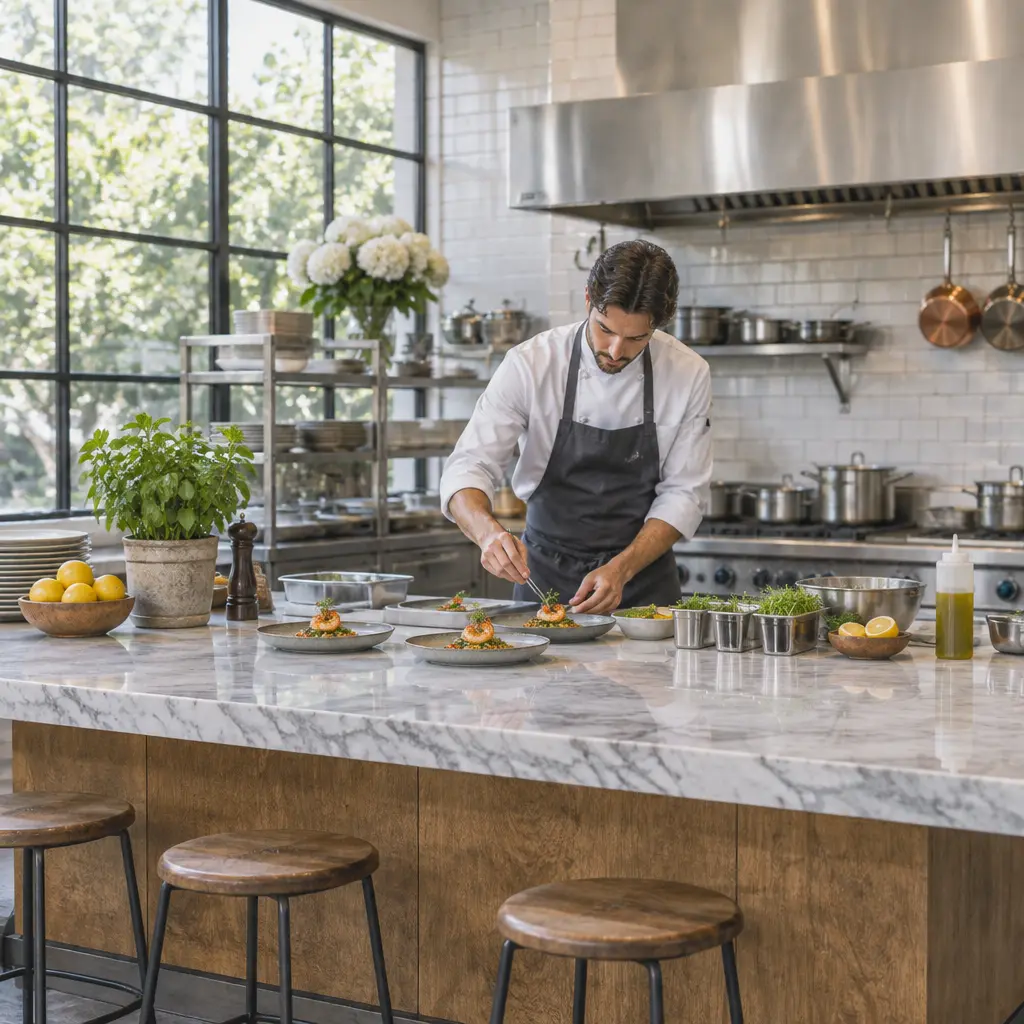
Seafood tapas are small, shareable dishes built around fish, shellfish, and other seafood, served in the Spanish tapas tradition or adapted for contemporary restaurant menus. Emerging trends include sustainably sourced catch, preserved and fermented flavors, globally inspired sauces, and flexible portions that suit both tasting menus and casual dining. Their appeal reflects a wider shift toward experiences made for sharing: the National Restaurant Association’s 2024 industry outlook identified global flavors and shareable formats among notable restaurant trends. At the same time, seafood choices carry practical stakes: the United Nations Food and Agriculture Organization reported that aquaculture supplied 51% of global aquatic animal production in 2022, making sourcing and transparency increasingly important to restaurants and diners.
Seafood tapas trends reshape modern restaurant menus
“Seafood tapas” is a menu category rather than a single standardized culinary definition. It combines seafood with the small-plate, often social style associated with tapas. Modern restaurants are extending that format beyond familiar Spanish preparations such as gambas al ajillo and boquerones, pairing seafood with regional produce, fermentation, contemporary techniques, and traceable sourcing. The result is a flexible way to showcase premium ingredients in smaller portions while giving guests variety.
The trend matters because it links menu creativity to purchasing decisions, food safety, and sustainability. Smaller servings can make unfamiliar species easier to try, but they do not automatically reduce environmental impact: the seafood’s species, origin, harvest method, season, and supply chain remain decisive. Restaurants can therefore treat tapas as both a format for experimentation and an opportunity to explain where seafood comes from.
Small-plate format defines modern seafood tapas
The Spanish tourism authority, Turespaña, describes tapas as small portions associated with sharing and social dining. Applied to seafood, the format encompasses hot and cold plates, from marinated anchovies to grilled octopus and shellfish stews served in tasting-sized portions. Modern menus may retain Spanish references while incorporating techniques and ingredients from other culinary traditions.
The key characteristics are portion flexibility, variety, and a menu designed for ordering across the table. These features let restaurants rotate dishes with seasonal availability and allow diners to sample several preparations rather than commit to one large entrée. The National Restaurant Association’s 2024 industry outlook identified global influences and shareable dining as relevant consumer-facing trends, supporting the broader commercial fit of tapas-style menus.
Classic Spanish seafood tapas
Classic seafood tapas include gambas al ajillo, shrimp cooked with garlic and olive oil; boquerones en vinagre, vinegar-marinated anchovies; and pulpo a la gallega, octopus served with paprika, olive oil, and potato. These dishes demonstrate how a few ingredients and a focused technique can make a small serving distinctive. Restaurants often use them as familiar anchors alongside newer interpretations.
Contemporary and globally influenced plates
Contemporary seafood tapas apply the same compact format to broader flavor combinations: for example, grilled fish collars with citrus and chile, scallops with fermented bean paste, or crudo dressed with herbs and regional fruit. These are examples of menu directions rather than a single established category. Their success depends on balance: the seafood should remain identifiable, while seasoning, acidity, texture, and heat provide contrast.
Sustainable sourcing strengthens seafood tapas menus
Sustainable sourcing means making purchasing choices that consider the condition of fish populations, fishing or farming impacts, and the seafood’s traceable origin. The Monterey Bay Aquarium Seafood Watch program evaluates seafood choices and publishes recommendations intended to help consumers and businesses make more responsible selections. For restaurants, that guidance is most useful when paired with supplier documentation and attention to the species and harvest method actually being purchased.
Scale makes the issue significant. The FAO’s 2024 report, covering 2022 production, found that aquaculture produced 94.4 million tonnes of aquatic animals and supplied 51% of total global aquatic animal production for the first time. This figure describes global production, not a guarantee that every farmed product is environmentally preferable. Responsible menu planning still requires information about production practices, feed, habitat effects, and applicable certification or advisory guidance.
Traceability and supplier transparency
Traceability is the ability to follow seafood through relevant stages of its supply chain, including harvest or farm, processing, and distribution. A restaurant can strengthen it by recording the scientific or market name, origin, harvest method, supplier, and delivery details. The U.S. Food and Drug Administration’s seafood hazard guidance emphasizes controls throughout handling and processing because seafood safety risks can arise at multiple points in the chain.
For diners, concise menu information can make sourcing more meaningful: name the species and origin when verified, and avoid broad claims such as “sustainable” without a clear basis. This practice also helps kitchens manage substitutions when a catch is unavailable or a supplier changes.
Seasonal catch and underused species
Seasonal menu planning responds to availability rather than treating every seafood item as permanently fixed. Rotating small plates can accommodate changing landings and give chefs a practical way to feature less familiar species, provided the supply is legal, safe, and responsibly sourced. This approach may broaden diners’ choices, though a species should not be promoted as a sustainability solution without checking its specific fishery or farm context.
Fermentation and preservation add flavor depth
Fermentation and preservation are techniques that transform or stabilize ingredients through controlled microbial activity, salt, acidity, drying, or other methods. In seafood tapas, they can contribute savory depth and distinctive texture through preparations such as cured anchovies, fermented chile condiments, pickled vegetables, or fish sauces. These methods connect contemporary cooking with long-standing preservation traditions, while offering chefs new ways to build flavor in small portions.
The trend requires careful process control. The FDA’s Fish and Fishery Products Hazards and Controls Guidance addresses hazards including pathogens, parasites, and toxin formation, and explains that controls depend on the product and process. Fermentation or curing should not be treated as a substitute for validated food-safety procedures, temperature control, or applicable regulations.
Cured, pickled, and fermented accompaniments
Cured seafood and acidic accompaniments create contrasts that suit tapas portions. Salt-cured fish can bring concentrated savoriness; pickled onion or seasonal vegetables can add acidity; and fermented sauces can supply umami. When a preparation uses raw or lightly processed seafood, restaurants need appropriate sourcing, handling, and risk controls, as well as clear communication about ingredients and allergens.
Using preservation to support menu flexibility
Preservation can help kitchens manage ingredients across service periods, but it does not eliminate the need for careful inventory and safe storage. Chefs can build a changing menu around a stable set of techniques—such as curing, pickling, or making sauces—then adapt the seafood and produce to verified supply. The distinction is important: preservation can support operational flexibility, but claims about reduced waste should be measured against actual purchasing and discard records.
Global flavors and culinary techniques diversify seafood tapas
Globalized seafood tapas use the small-plate format to bring together ingredients and techniques from multiple culinary traditions. Examples include ceviche-style citrus marinades, Japanese-inspired raw-fish seasonings, Korean chile pastes, or North African spice blends. These combinations reflect diners’ interest in varied flavors, but they work best when chefs understand the technique and cultural context rather than using regional references as decoration.
A practical menu-development approach is to start with the seafood’s texture and flavor, then choose a complementary technique: acid for richness, herbs for freshness, crisp elements for contrast, or chile for heat. The National Restaurant Association’s industry trend reporting offers context for the popularity of global flavors, but it does not establish that any single fusion dish will succeed; local customer preferences and execution determine that.
Raw and lightly cooked preparations
Crudo, ceviche, and similar preparations are served raw or with limited cooking, often using acid, salt, or seasoning to shape flavor and texture. Acid can alter a fish’s proteins and appearance, but it does not reliably destroy all harmful organisms. The FDA advises that raw or undercooked seafood carries greater food-safety risk than thoroughly cooked seafood, so restaurants should follow applicable controls and communicate relevant risks to guests.
Fire, smoke, and texture contrast
Grilling and smoking create roasted, charred, or smoky notes that contrast with bright sauces and fresh garnishes. Small servings make these techniques useful for rich or strongly flavored seafood, including sardines, octopus, and shellfish. Consistent heat, cooking times, and careful handling are essential, particularly in a busy service where multiple plates may be prepared simultaneously.
Restaurant operations shape the guest experience
A seafood tapas program is an operational system as much as a culinary concept. Restaurants must coordinate purchasing, cold storage, preparation, allergen communication, pacing, and service. The FDA identifies major food allergens—including fish and crustacean shellfish—so menus and staff procedures should distinguish these ingredients clearly and account for cross-contact risks.
Portion size also affects pricing and guest expectations. A useful menu describes whether a dish is intended for one diner or for sharing, lists key ingredients, and gives enough context for guests to compare options. Since seafood prices and availability can change, a menu built around flexible specials may be more practical than one promising a fixed selection year-round.
Menu design, pacing, and value
Well-paced menus vary richness, temperature, and intensity so that several plates remain appealing over a meal. A restaurant might combine a chilled shellfish dish, a crisp fried item, a grilled plate, and a vegetable-forward accompaniment. Clear portion descriptions help diners judge value and reduce confusion about how many dishes to order.
Food safety and allergen communication
Food safety in seafood service depends on receiving, storage, preparation, cooking, and service controls appropriate to the product. The FDA’s Food Code provides a model framework for retail food safety, while local authorities determine the rules that apply in their jurisdictions. Restaurants should train staff to identify fish and shellfish ingredients, respond consistently to allergen questions, and avoid unsupported assurances where cross-contact cannot be ruled out.
Conclusion: seafood tapas trends connect creativity with responsibility
Modern seafood tapas bring together the shareable small-plate format, sustainable sourcing, traceability, preservation, global flavors, and careful restaurant operations. The FAO’s finding that aquaculture supplied 51% of global aquatic animal production in 2022 underscores the scale of seafood supply, while FDA guidance highlights the safety controls required to serve it responsibly. For diners, the strongest menus offer both variety and clear information; for operators, flexible seasonal planning works best when backed by verified suppliers and consistent kitchen procedures.
Restaurants developing a seafood tapas menu should review current seafood advisories, document supplier and origin information, train staff on allergens and raw-seafood risks, and measure purchasing and waste rather than relying on broad sustainability claims. Diners can ask where a seafood item comes from and how it is prepared. These steps help ensure that culinary innovation supports trust as well as flavor.
Sources: United Nations Food and Agriculture Organization, The State of World Fisheries and Aquaculture 2024, https://www.fao.org/publications/home/fao-flagship-publications/the-state-of-world-fisheries-and-aquaculture/2024/en; National Restaurant Association, 2024 State of the Restaurant Industry Report, https://restaurant.org/research-and-media/research/research-reports/state-of-the-restaurant-industry/; Turespaña, Tapas, https://www.spain.info/en/discover-spain/tapas/; Monterey Bay Aquarium Seafood Watch, Seafood Recommendations, https://www.seafoodwatch.org/recommendations; U.S. Food and Drug Administration, Fish and Fishery Products Hazards and Controls Guidance, https://www.fda.gov/regulatory-information/search-fda-guidance-documents/guidance-industry-fish-and-fishery-products-hazards-and-controls; U.S. Food and Drug Administration, Food Code, https://www.fda.gov/food/retail-food-protection/fda-food-code; U.S. Food and Drug Administration, Food Allergies, https://www.fda.gov/food/food-labeling-nutrition/food-allergies.