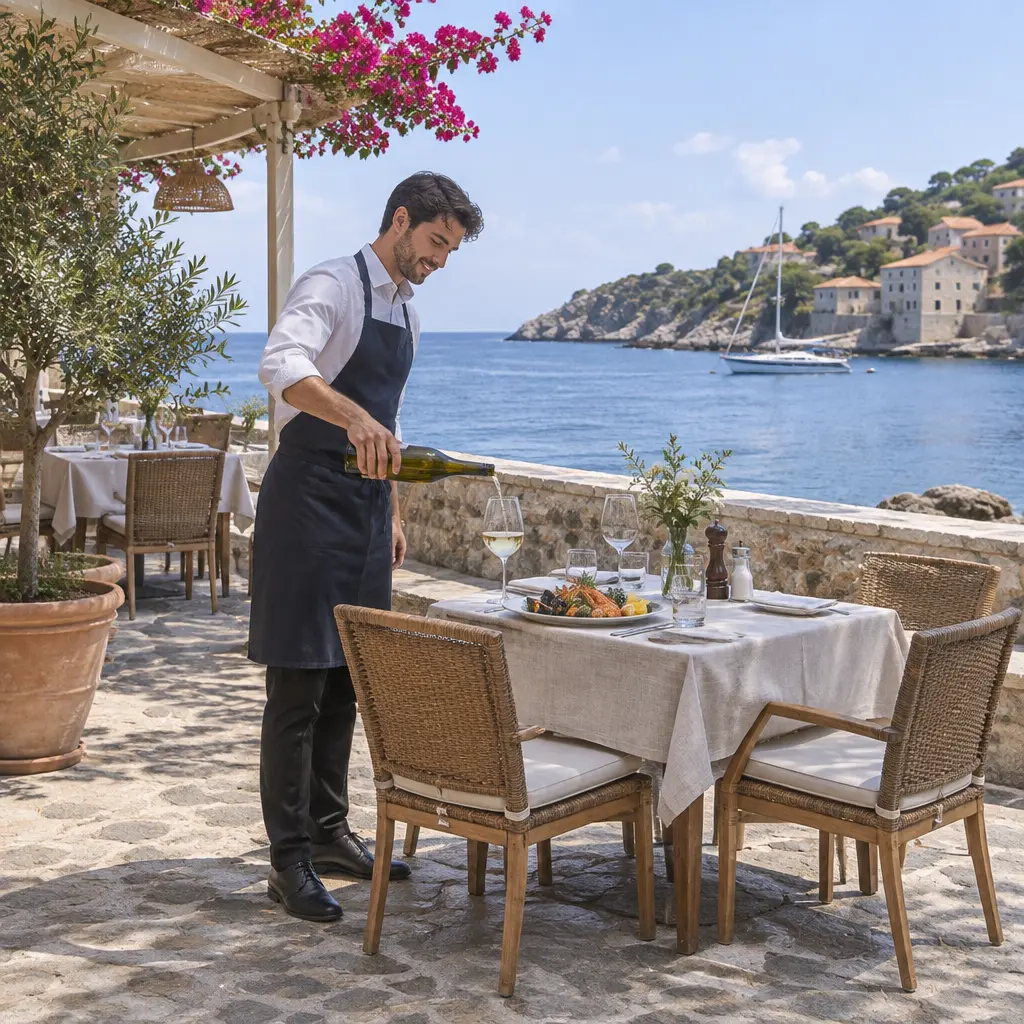
Wine and seafood pairing means choosing a wine whose acidity, body, sweetness, and flavor complement the seafood without overpowering it. A simple starting point is to match delicate fish with light-bodied wines, richer or oily seafood with wines that have fresh acidity, and spicy or sweet preparations with wines that balance their heat or sweetness. The goal is not a rigid rulebook: the sauce, cooking method, and seasoning often matter as much as the fish. These principles reflect widely used guidance from wine educators and seafood organizations, and they help explain why crisp whites, sparkling wines, and selected light reds can all work at the table.
Match Wine and Seafood by Weight, Acidity, and Flavor
There is no single authoritative technical definition of a “good” wine-and-seafood pairing. In practical terms, it is a combination in which the food and wine remain enjoyable together: neither overwhelms the other, and their textures and flavors create balance. Wine educator Karen MacNeil’s general approach to pairing emphasizes considering a dish’s weight and dominant flavors rather than relying on one ingredient alone. That distinction matters because grilled salmon with lemon is not the same pairing problem as salmon in a rich cream sauce.
The main pairing attributes are body, acidity, intensity, sweetness, tannin, and preparation. Body describes how weighty a wine feels; acidity gives it freshness; tannins can make some combinations taste more drying or metallic. For a useful starting point, think of the wine as a seasoning for the whole dish. The categories below—delicate fish, oily seafood, shellfish, and spicy or sauced dishes—are practical subgroups rather than inflexible rules.
Delicate fish: choose light-bodied, fresh wines
Delicate white fish such as sole, cod, and flounder usually benefits from a wine that does not obscure its mild flavor. Dry, high-acid options such as Muscadet, Albariño, Pinot Grigio, or unoaked Chardonnay are dependable choices. A squeeze of lemon, herbs, or a light vinaigrette often reinforces the wine’s freshness. For example, baked cod with lemon and parsley can pair well with Muscadet; a heavily oaked, high-alcohol wine may feel disproportionately rich beside it.
Oily or rich seafood: use acidity to refresh the palate
Salmon, sardines, mackerel, and other rich or oily fish can stand up to wines with more flavor and body, while brisk acidity helps keep the combination from feeling heavy. Try Sauvignon Blanc, dry Riesling, sparkling wine, or a lighter Pinot Noir, depending on the preparation. The Wine Institute describes Pinot Noir as a lighter-bodied red style, making it a more adaptable red-wine option than a heavily tannic Cabernet Sauvignon. Grilled salmon with herbs, for instance, can work with Pinot Noir; salmon with citrus or a tangy glaze often favors a crisp white.
Shellfish: match the wine to sweetness and salinity
Oysters, shrimp, crab, and scallops vary in sweetness, salinity, and texture, so the preparation helps determine the best match. Briny oysters are often served with Muscadet or sparkling wine, whose acidity and bubbles offer contrast; sweet crab and scallops can suit Chardonnay, Chenin Blanc, or dry Riesling. Champagne and other sparkling wines are particularly versatile because carbonation and acidity can refresh the palate between bites. For a simple example, serve chilled oysters with a crisp, dry wine rather than a strongly oaked or sweet one.
Adapt the Pairing to Cooking Method, Sauce, and Seasoning
Once the seafood’s basic weight is clear, the preparation often becomes the deciding factor. The same fish can call for different wines depending on whether it is poached, grilled, fried, or served with cream, spice, or citrus. This is why pairing by the complete dish—rather than by the seafood name alone—is a more reliable rule.
Fried and grilled seafood: consider texture and char
Fried seafood is rich and crisp, so high-acid wines and sparkling styles can cut through the coating and refresh the palate. Try sparkling wine with fried calamari or fish and chips, or a crisp Sauvignon Blanc with lightly battered fish. Grilling adds smoky, browned flavors that can accommodate a wine with a little more intensity, such as Albariño, dry rosé, or a light-bodied red with grilled tuna. A heavily charred or spicy preparation may call for a more robust wine than gently grilled white fish.
Creamy, buttery, and citrus sauces: follow the dominant flavor
Cream and butter increase a dish’s richness, so a wine with enough acidity can help maintain balance. Chardonnay may suit lobster or scallops with butter, while a crisp white can keep a cream sauce from tasting overly heavy. Citrus, herbs, and capers point toward wines with a similarly fresh profile, such as Sauvignon Blanc or Albariño. When choosing, compare the sauce’s intensity to the wine’s body: a delicate sauce can disappear beside a powerful wine, while a rich sauce can make a very light wine seem thin.
Spicy and sweet preparations: adjust sweetness and alcohol
Chili heat can make high-alcohol or strongly tannic wines seem harsher. Off-dry Riesling and other wines with a touch of sweetness can soften spicy seafood, while low-alcohol, aromatic whites are often an easy fit. For seafood with a sweet glaze, choose a wine at least as dry or sweet as the dish; an extremely dry wine may taste sharp next to pronounced sweetness. With Thai-style chili shrimp, for example, an off-dry Riesling can balance both heat and sweetness better than a high-alcohol red.
Use Simple Pairing Rules Without Treating Them as Laws
The familiar advice to serve white wine with fish is a useful shortcut, not a universal requirement. Tannins in some red wines can seem more pronounced beside fish, particularly when the dish is delicate or briny, but lighter reds can work with richer seafood and assertive flavors. Preparation, sauce, and personal preference can outweigh color. In other words, “white with fish” is a starting point, not a prohibition against red.
For a quick decision, first identify the dish’s strongest feature: mildness, oiliness, saltiness, richness, smoke, spice, or sweetness. Then choose a wine with comparable intensity and enough acidity to keep the combination lively. If uncertain, dry sparkling wine or a crisp white is a flexible option for many seafood meals. Taste the wine and food together, and adjust based on what you enjoy.
A quick reference chart for common pairings
The chart below summarizes starting points. The sauce and seasoning may shift the choice, so use it as a guide rather than a fixed prescription.
- Oysters: Muscadet or dry sparkling wine.
- Delicate white fish: Pinot Grigio, Sauvignon Blanc, or unoaked Chardonnay.
- Salmon: Pinot Noir, dry rosé, or a fuller-bodied white, depending on sauce.
- Fried seafood: sparkling wine or a high-acid white.
- Crab or scallops: Chardonnay, Chenin Blanc, or dry Riesling.
- Spicy seafood: off-dry Riesling or another aromatic wine with moderate alcohol.
Conclusion: Pair the Whole Seafood Dish, Not Just the Fish
Simple wine-and-seafood pairing starts with the dish’s weight and flavor, then accounts for acidity, richness, sauce, cooking method, and seasoning. Light wines tend to suit delicate fish; bright acidity helps balance oily or fried seafood; shellfish often pairs well with crisp whites or sparkling wine; and spice may call for a touch of sweetness. These are adaptable principles rather than rules. For your next seafood meal, identify its dominant flavor, choose a wine with similar intensity, and taste the pairing for yourself.
Sources: Karen MacNeil, The Wine Bible, 3rd edition, https://www.karenmacneil.com/the-wine-bible/; Wine Institute, Pinot Noir, https://wineinstitute.org/our-industry/statistics/winegrape-varieties/pinot-noir/; Wine Folly, The Comprehensive Guide to Pairing Wine with Seafood, https://winefolly.com/tips/pairing-wine-with-seafood/