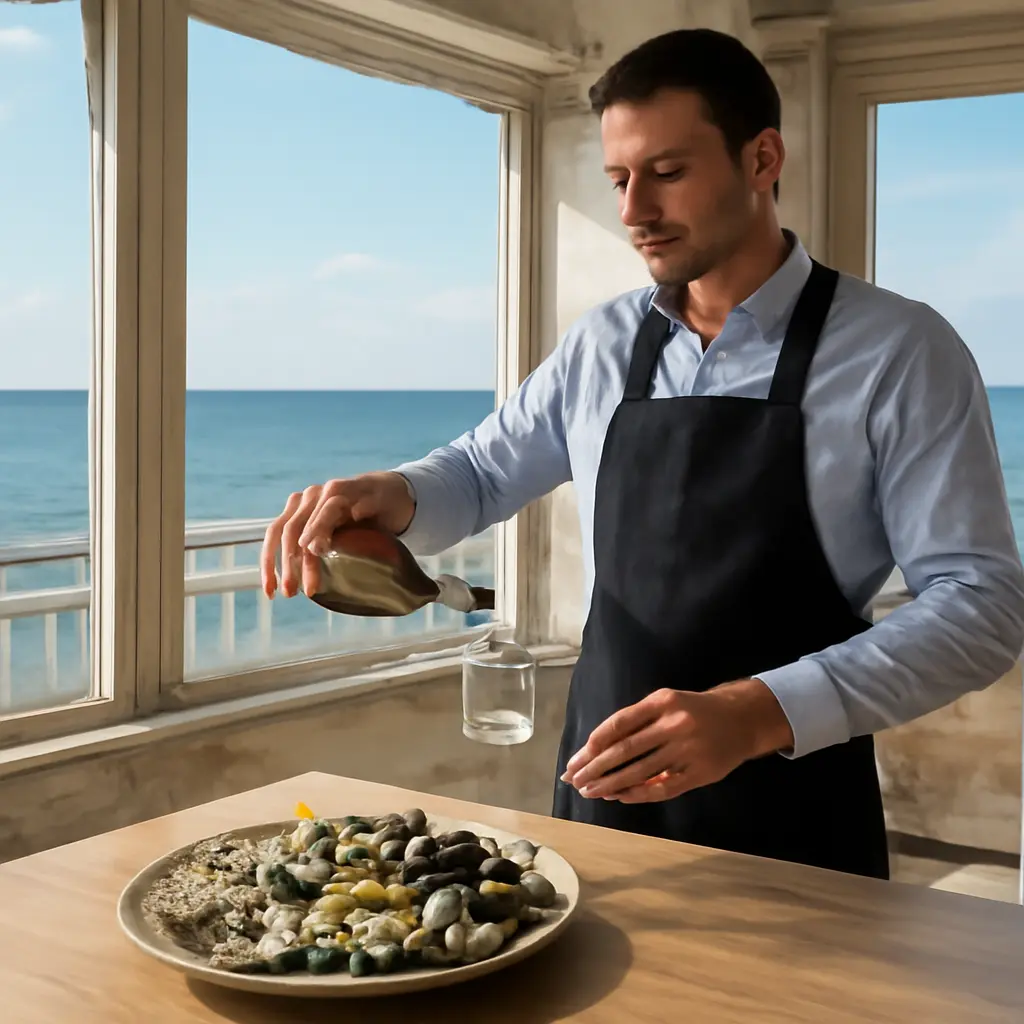
Shellfish pairing is the practice of matching wine and other drinks with edible marine mollusks and crustaceans—such as oysters, clams, mussels, scallops, shrimp, and lobster—to make their flavors work together. Sommeliers look beyond the broad rule that “white wine goes with seafood”: they consider sweetness, salinity, richness, texture, cooking method, and sauces. That is why a briny raw oyster may call for a lean, mineral-driven wine, while buttery lobster can suit a richer white. The principles below explain how to read shellfish’s distinctive flavors, choose wines by preparation, avoid common mismatches, and use practical serving examples.
How shellfish flavor shapes pairing decisions
There is no single authoritative formula for pairing shellfish. The Court of Master Sommeliers’ educational approach emphasizes evaluating a dish’s dominant characteristics and matching or balancing them with a beverage. For shellfish, the most useful attributes are saltiness, sweetness, iodine-like or sea-spray notes, delicate texture, and—depending on the dish—fat from butter, cream, oil, or frying.
The category itself is broad. Oysters, clams, mussels, and scallops are mollusks; shrimp, crab, and lobster are crustaceans. Their flavors vary with species, habitat, season, freshness, and preparation, so a sommelier pairs the finished dish rather than relying on the word “shellfish” alone. Wine acidity can refresh the palate, bubbles can lift rich or fried textures, and a hint of fruit can complement sweetness in crab or scallop. Conversely, pronounced tannin may taste harsh alongside briny seafood.
Salinity and mineral character
Salinity is the perceived saltiness of a food; mineral character is a tasting description, not a claim that a wine literally tastes of seawater. Raw oysters and some clams can seem especially saline and intensely marine. A crisp, dry wine with high acidity—such as Muscadet, Chablis, or a brut sparkling wine—can provide contrast without overwhelming their delicate flavor. Muscadet sur lie, made from Melon de Bourgogne and aged on its lees, is a classic Loire Valley match for oysters and other seafood.
The pairing is not a chemical rule: wine acidity does not neutralize salt in a literal sense. Rather, the wine’s freshness and restrained fruit can keep the combination lively. Lemon, mignonette, and other acidic accompaniments also change the balance, so taste the dish with its garnish before choosing the bottle.
Sweetness, texture, and richness
Many shellfish have a naturally sweet impression, especially lobster, crab, shrimp, and scallops. Lightly aromatic wines with ripe fruit can echo that sweetness, while intense oak or very high alcohol may obscure it. A lean preparation favors a lean wine; butter, cream, or a rich sauce can support a fuller-bodied white such as Chardonnay. The key is proportionality: a delicate steamed clam can disappear beside an aggressively oaked wine, while a lobster dish with drawn butter can make a very light wine seem thin.
How cooking method changes shellfish pairings
Once the shellfish’s basic flavor is understood, the cooking method becomes the next decision point. Steaming preserves delicate sweetness, grilling adds browned and smoky notes, frying adds fat and crunch, and sauces can become the dish’s strongest flavor. The same shrimp can therefore pair differently as chilled cocktail shrimp, spicy grilled prawns, or shrimp in cream sauce.
Raw oysters and chilled shellfish
Raw oysters tend to reward wines that are dry, brisk, and relatively restrained. Muscadet, Chablis, Champagne, and other traditional-method sparkling wines are familiar options. For oysters with cucumber or herbs, a crisp Sauvignon Blanc can work; for a mignonette with noticeable vinegar, choose a wine with enough acidity to avoid tasting flat. Serve the wine chilled, but not so cold that its aroma and flavor disappear.
Steamed clams, mussels, and shrimp
Steamed or simply poached shellfish usually calls for wines that preserve the food’s delicacy. Dry Riesling, Albariño, Pinot Grigio, and unoaked Chardonnay are useful choices, depending on the seasoning. Garlic, parsley, and white wine in a mussel broth can make a crisp white a natural companion. If the broth is spicy or includes chili, a slightly off-dry Riesling may soften the heat while retaining freshness.
Grilled, fried, and richly sauced shellfish
Grilling adds char and roasted flavor, which can stand up to a more textured white, rosé, or even a light-bodied red served cool, depending on the dish. Fried calamari, fried shrimp, or fish-and-shellfish baskets often benefit from sparkling wine: acidity and carbonation make a refreshing contrast to crisp, oily coatings. Rich lobster with butter or a cream-based seafood pasta can pair well with fuller Chardonnay, white Burgundy, or sparkling wine with enough body to match the sauce.
Sauce can outweigh the ingredient in pairing decisions. A tomato-based shellfish stew may work better with a bright rosé or light red than with a very delicate white; a coconut curry may suit aromatic whites with a touch of sweetness. These are starting points, not fixed rules: the dish’s heat, sweetness, acidity, and richness determine the final match.
How sommeliers choose a drink without relying on rigid rules
A practical sommelier method is to identify the dish’s dominant feature, then decide whether the drink should complement it or provide contrast. Consider the shellfish, cooking technique, sauce, seasoning, and serving temperature together. This approach also helps explain why “red wine never goes with seafood” is too absolute: a light, low-tannin red can work with grilled shellfish or a tomato-rich preparation, though heavily tannic reds may clash with delicate, saline flavors.
A quick pairing guide
- Raw oysters: dry Muscadet, Chablis, or brut sparkling wine.
- Steamed mussels with herbs: crisp Sauvignon Blanc, Albariño, or dry Riesling.
- Chilled shrimp or crab: sparkling wine, Pinot Grigio, or a restrained Chardonnay.
- Grilled scallops: textured white wine or dry rosé; consider the degree of char and any sauce.
- Fried calamari or shrimp: sparkling wine or a high-acid white.
- Lobster with butter: fuller Chardonnay or a structured sparkling wine.
- Spicy shellfish: aromatic Riesling, often with a small amount of residual sugar.
A simple tasting test
Taste a bite of the shellfish, then a sip of the proposed drink. Ask whether the drink makes the seafood seem sweeter, fresher, or more balanced—or whether it overwhelms it, tastes sour, or makes the food seem metallic. Then try the combination with the sauce or garnish. This small test is especially useful when ordering a mixed seafood platter, because oysters, shrimp, and crab may not share the same ideal pairing.
What the evidence can—and cannot—tell you
Pairing recommendations are informed by culinary practice and sensory judgment, not a universal scientific ranking of wines for every shellfish species. The U.S. Food and Drug Administration advises consumers to cook seafood thoroughly and to follow safe handling practices; freshness and food safety matter more than any pairing choice. The National Oceanic and Atmospheric Administration also describes shellfish as an important and varied part of U.S. seafood production, underscoring why broad labels can conceal substantial differences among species and sources.
For readers who want a visual summary, a simple chart can map shellfish richness on one axis and wine body on the other: delicate raw oysters sit toward the light end, while butter-rich lobster moves toward fuller-bodied wines. Treat that chart as a planning aid, not a prescription. Vintage, producer, seasoning, personal preference, and the rest of the meal all affect the result.
Conclusion: pair the preparation, not just the shellfish
The most useful sommelier insight is that shellfish pairing depends on several attributes at once. Salinity and delicacy often favor dry, high-acid wines; natural sweetness can welcome ripe fruit; butter and cream can support more body; and frying or spice changes the balance again. Start with the preparation and sauce, use acidity and texture as guides, and taste the combination before committing. For further exploration, compare the same shellfish with two contrasting wines, and consult the Court of Master Sommeliers’ educational materials alongside seafood safety guidance from the FDA.
Sources: Court of Master Sommeliers, Americas, Education and Certification, https://www.mastersommeliers.org/; U.S. Food and Drug Administration, Selecting and Serving Fresh and Frozen Seafood Safely, https://www.fda.gov/food/buy-store-serve-safe-food/selecting-and-serving-fresh-and-frozen-seafood-safely; National Oceanic and Atmospheric Administration Fisheries, Shellfish, https://www.fisheries.noaa.gov/; Loire Valley Wines, Muscadet, https://www.vinsvaldeloire.fr/en/our-wines/muscadet.