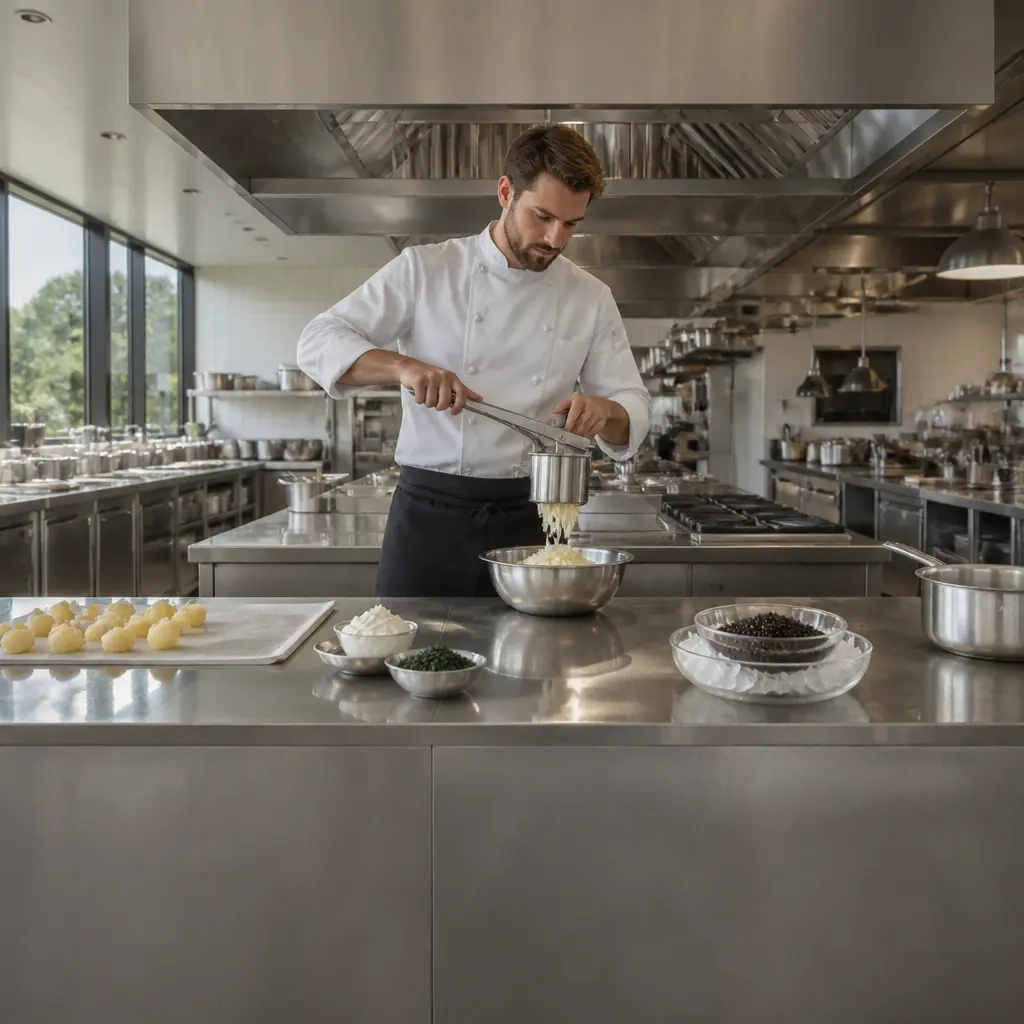
Potato preparation is the controlled selection, cutting, cooking, seasoning, and finishing of potatoes to achieve a specific texture and flavor. In fine-dining kitchens that serve caviar regularly, the most reliable approach is restraint: choose a low-moisture potato, cook it gently and evenly, season it in layers, and keep the potato warm but never hot enough to damage the caviar. The method matters because potatoes contain roughly 75% to 80% water, while their starch structure changes significantly with heat, agitation, and cooling. This article explains the potato–caviar pairing, compares purées, rösti, pommes soufflées, and steamed or boiled preparations, and translates professional kitchen practice into measurable home techniques.
Potato Preparation: The Attribute Pairing Behind Caviar Service
The entity–attribute pairing “potato preparation” links the entity, the potato, with the attribute of how it has been transformed for service. The United States Department of Agriculture’s FoodData Central distinguishes foods by preparation state, including raw, boiled, baked, and fried forms, because cooking changes moisture, texture, nutrient concentration, and edible weight. In culinary terms, potato preparation therefore includes variety selection, starch management, heat transfer, fat selection, seasoning, holding, and plating.
For caviar, the potato is not merely a carrier. Its mild flavor, creamy starch, and warm-or-cool temperature create contrast with caviar’s salinity, brine, and delicate pop. The best preparations have a clean finish and a texture that does not overpower the roe. A 30-gram caviar portion is often enough for a composed appetizer, so the potato must provide structure and luxury without requiring excessive garnish.
Low-Moisture Potatoes for Purée
A low-moisture, floury potato is a potato with relatively high starch and a dry interior after cooking. Varieties such as Russet, Maris Piper, and certain Idaho types are useful for smooth purée because they absorb butter and cream without becoming watery. Yukon Gold and other yellow-fleshed potatoes contain more waxy characteristics, giving a naturally buttery flavor and firmer body, but they can produce a denser purée if overworked.
Caviar-service cooks commonly favor a ricer or food mill rather than a blender. A ricer breaks the cooked potato into fine strands while limiting cell rupture. A blender or food processor shears starch granules and can produce a sticky, elastic texture. The practical sequence is to cook the potatoes until a skewer passes through with little resistance, drain them thoroughly, return them briefly to the warm pan to evaporate surface moisture, and then pass them through the ricer.
Temperature as a Flavor Attribute
Temperature is a defining attribute of the potato–caviar pairing. Potato purée is usually served warm, while caviar is kept cold to preserve its freshness and firm texture. A useful target is approximately 140°F to 160°F for the potato at plating, with the caviar added at the last moment. The potato should feel warm and comforting rather than steaming. Excess heat can soften the roe, accelerate aroma loss, and melt delicate garnishes such as crème fraîche.
The U.S. Food and Drug Administration’s Food Code identifies 41°F or below as the cold-holding benchmark for many refrigerated foods. That safety standard is not a complete caviar-service recipe, but it explains why professional kitchens keep the roe chilled until the plate is ready. A fine-dining pass therefore treats caviar as a finishing ingredient, not as something stirred into a hot potato base.
How Potato Preparation Controls Texture
Texture is the principal bridge between potato preparation and caviar presentation. A potato can be fluffy, creamy, crisp, layered, or hollow, and each texture changes how the salt and pop of caviar are perceived. Professional cooks select the hyponym of preparation—purée, rösti, cake, chip, or soufflé—according to the desired contrast.
Silky Potato Purée
Silky potato purée is a fine-textured emulsion of potato, butter, and sometimes cream. For a caviar canapé, a restrained ratio works better than an ultra-rich restaurant-style pommes purée: approximately 500 grams of cooked potato, 75 to 125 grams of unsalted butter, and enough warm milk or cream to create a soft but pipeable consistency. The exact ratio depends on the potato’s moisture level.
Season the potato before adding caviar. Salt should be modest because caviar supplies concentrated salinity; white pepper, chive, lemon zest, or a trace of cultured dairy can add lift without competing with the roe. Avoid raw garlic, truffle oil, and aggressive acids unless the dish specifically requires them. Their aromas can dominate the clean marine character that chefs want to preserve.
Crisp Rösti and Potato Cakes
Rösti is a crisp potato preparation made from shredded or grated potato that is compressed and browned in fat. Its appeal with caviar is textural: a brittle exterior gives way to a tender center, creating contrast with the delicate eggs. The critical secret is moisture control. Grate the potato, squeeze it firmly in a towel, season immediately before cooking, and use a thin, even layer rather than a thick cake.
A small rösti should be cooled briefly after cooking so its surface firms, then topped with crème fraîche and caviar just before service. If the cake is too hot, the dairy loosens and the roe warms. If it is held too long, steam softens the crust. Restaurants solve this timing problem by cooking the potato base ahead, reheating it briefly on a dry pan or in a hot oven, and garnishing only at the pass.
Pommes Soufflées and Potato Chips
Pommes soufflées are hollow potato slices that inflate during frying, while potato chips are thin slices fried or baked until crisp. Both offer a light, clean vessel for caviar, but they require precise thickness and moisture management. A chip that is too thin shatters under the spoon; one that is too thick can taste oily and bury the roe.
For a home version, slice potatoes approximately 1 to 2 millimeters thick, rinse only if necessary, dry exceptionally well, and fry in a neutral oil until evenly crisp. Salt the potato lightly after frying, not before, because surface salt draws moisture and can reduce crispness. Use a small amount of crème fraîche as adhesive, then place the caviar on top rather than mixing it through the garnish.
The Fine-Dining Method for Potato and Caviar
The fine-dining method is a sequence of controlled decisions rather than a single secret ingredient. Caviar-service chefs typically protect three qualities: potato clarity, textural contrast, and caviar integrity. The following workflow adapts those principles for a composed appetizer.
- Choose a potato according to the intended texture: floury for purée, firm and starchy for rösti, and evenly sized for chips or roasted pieces.
- Cook evenly. Start potatoes in cold, well-seasoned water when boiling, or roast similarly sized pieces together so the centers finish at the same time.
- Remove excess moisture. Steam-dry boiled potatoes, squeeze grated potatoes, and dry sliced potatoes before frying.
- Process gently. Use a ricer or food mill for purée and avoid aggressive mixing after the potato has broken down.
- Season the potato first. Caviar should not be used to correct an under-seasoned base.
- Hold the potato briefly and safely. Keep cold ingredients refrigerated and avoid leaving finished potato mixtures at room temperature for extended periods.
- Plate the caviar last. Add the roe with a nonreactive spoon, preferably mother-of-pearl, ceramic, glass, or plastic, rather than a reactive metal spoon.
Butter, Crème Fraîche, and Acid
Butter supplies roundness, crème fraîche supplies cultured tang, and acid supplies lift. The most balanced caviar plates usually use one principal dairy element rather than all three in equal quantity. A potato purée may need butter and a small amount of cream; a rösti may need crème fraîche; a roasted potato may need only a few drops of lemon or champagne vinegar in a garnish.
Acid should be applied to the supporting element, not poured directly over the caviar. This preserves the roe’s texture and prevents a sharp acidic note from overwhelming its briny finish. Chives, dill, finely sliced shallot, and a small amount of grated lemon zest are conventional because they add freshness without requiring a large quantity.
Portion and Plating Discipline
A composed bite should be easy to eat in one or two mouthfuls. For a canapé, approximately 15 to 30 grams of potato base with 5 to 10 grams of caviar creates a visible luxury without making the potato disappear. For a more generous first course, a larger potato portion may support 15 to 30 grams of roe, depending on the menu and the caviar’s cost.
Visual restraint is part of the preparation. Keep the potato shape deliberate, leave a clear area around the caviar, and avoid scattering herbs across the entire plate. The eye should identify the potato, the dairy, and the roe as separate but connected elements. This is especially important with pale ingredients, where contrast comes from height, sheen, crisp edges, and controlled garnish rather than strong color.
What Professional Kitchens Avoid
The most common failures are excess water, excess heat, excess handling, and excess seasoning. Watery potatoes dilute butter and crème fraîche. High heat damages the caviar’s texture. Overmixing creates gluey purée. Heavy salt or pungent garnish masks the roe. These errors are avoidable because each results from losing control of one measurable variable.
- Do not boil potatoes violently; rough boiling damages the exterior before the center is tender.
- Do not refrigerate finished purée uncovered; it forms a skin and absorbs surrounding odors.
- Do not place caviar on a steaming potato base; allow the base to stop releasing visible steam.
- Do not use a large quantity of smoked salmon, truffle, raw onion, or strong citrus unless the dish is designed around those flavors.
- Do not leave caviar or dairy garnishes unrefrigerated while preparing the rest of the meal.
A useful kitchen chart would compare four preparations—purée, rösti, chip, and roasted potato—against five attributes: moisture, crispness, serving temperature, dairy requirement, and suitable caviar portion. Purée would score highest for moisture and lowest for crispness; rösti would provide the strongest contrast; chips would offer the lightest bite; and roasted potatoes would provide the most rustic character. The chart’s practical conclusion is simple: choose one dominant texture and let the caviar remain the most delicate element on the plate.
Conclusion: Potato Preparation as Caviar Protection
Potato preparation becomes fine dining when every attribute serves the central ingredient. Low-moisture potatoes support a smooth purée, grated potatoes create a crisp rösti, and thin slices create an airy chip or soufflé. Gentle processing protects starch texture, layered seasoning prevents oversalting, and careful temperature control keeps caviar firm and aromatic. The broader lesson is that luxury ingredients do not require elaborate decoration; they require a precise, quiet supporting structure.
For the best result, choose one potato texture, season it before garnishing, keep the caviar cold, and plate it at the last possible moment. Further experimentation should compare potato varieties, butter ratios, and serving temperatures while recording texture and perceived saltiness. That disciplined approach turns a simple potato into a professional-quality foundation for caviar.
Sources: U.S. Department of Agriculture, FoodData Central, https://fdc.nal.usda.gov/; U.S. Food and Drug Administration, Food Code 2022, https://www.fda.gov/food/fda-food-code/food-code-2022; U.S. Department of Agriculture, Economic Research Service, Potatoes and Statistics, https://www.ers.usda.gov/topics/crops/vegetables-pulses/potatoes/; Institut Paul Bocuse, The Culinary Art of Potatoes, https://www.institutpaulbocuse.com/; Petrossian, Caviar Storage and Serving Guidance, https://www.petrossian.com/.